

- £6.4 billion invested, 6,000 jobs supported: UK Freeports have already attracted substantial private investment, according to the report.
- Thousands more jobs forecast: Thames Freeport aims to create 21,000 jobs by 2045; Freeport East forecasts 11,350 new jobs.
- Key lever to deliver Reindustrialisation: Freeports link Government ambition on industry and jobs with delivering growth in every postcode, especially coastal communities
- 15 recommendations for government action: strengthen investment incentives, align infrastructure funding and tackle grid and transport barriers to turn investor interest into projects.
Thames Freeport and Freeport East today publish Free to Grow: Unlocking the potential of England’s Freeports, calling on the UK Government to work with Freeports to deliver even greater impact through strengthening tax certainty, delivery powers and infrastructure funding.
Written by Jack Shaw of Groundwork Research, the report sets out 15 recommendations to turn investor interest into projects, jobs and lasting benefits for communities across England. Alongside Government, Freeports can deliver stronger multi-region investment propositions to international investors, go further on tackling skills deficits and use their unique public-private investment role to support Mayors and other local authorities deliver stronger regional growth.
UK Freeports are working. They have attracted £6.4 billion in private investment and supported 6,000 jobs, according to the report, as well as delivering a range of wider benefits on new skills and innovation infrastructure, strengthening trade links and investing in local SMEs.
The opportunity is substantial: Thames Freeport aims to attract more than £4.5 billion and create 21,000 jobs by 2045; Freeport East forecasts 11,350 new jobs and a £5.5 billion contribution to its local economy. By primarily using investment incentives to encourage investment, Freeports are low cost – no investment means no cost to Government, while success delivers economic growth and new opportunities for local communities. But factors outside the control of Freeport bodies, such as planning delays, limited electricity grid capacity, transport constraints and skills gaps risk holding back investment.
The report encourages ministers to solidify tax incentives and give Freeports greater flexibility to finance infrastructure and develop sites. Government, regulators and network operators must work together to tackle electricity and transport bottlenecks. Four priorities are:
- Give investors certainty: extend existing tax incentives to 2040 to avoid cliff-edges and give investors the long-term certainty they need when commencing complex projects.
- Allow flexibility on designating freeport sites together with funding for infrastructure: create mechanisms to support borrowing against future business-rate income retained locally, with safeguards, and agree changes to tax-incentive sites.
- Use Freeports as a platform for wider Government action on productivity: align investment in grid connections, transport and access to innovation funding and allow Freeports to drive regulatory trials.
- Deliver local benefits and attract investment: improve reporting on local jobs and job quality and promote joint investment opportunities through the UK’s overseas trade network.
In their joint foreword, Rt Hon Ruth Kelly, Chair of Thames Freeport, and Mark Lemmon, Chair of Freeport East, write:
“Freeports have an important role to play and the case for Freeports has become more compelling as the UK confronts a changing economic landscape.
Freeports should be given greater certainty over their future, greater autonomy to overcome barriers to investment and a more clearly defined role in the Government’s plans to ‘rewire the state’. With these changes, Freeports can build on what has already been achieved and realise their full potential. ”
With these reforms, Freeports can play a greater role in the UK’s reindustrialisation and international competitiveness. Success will mean genuinely additional investment in the UK and lasting opportunities for local people.
Read Free to Grow: Unlocking the potential of England’s Freeports: Free To Grow report
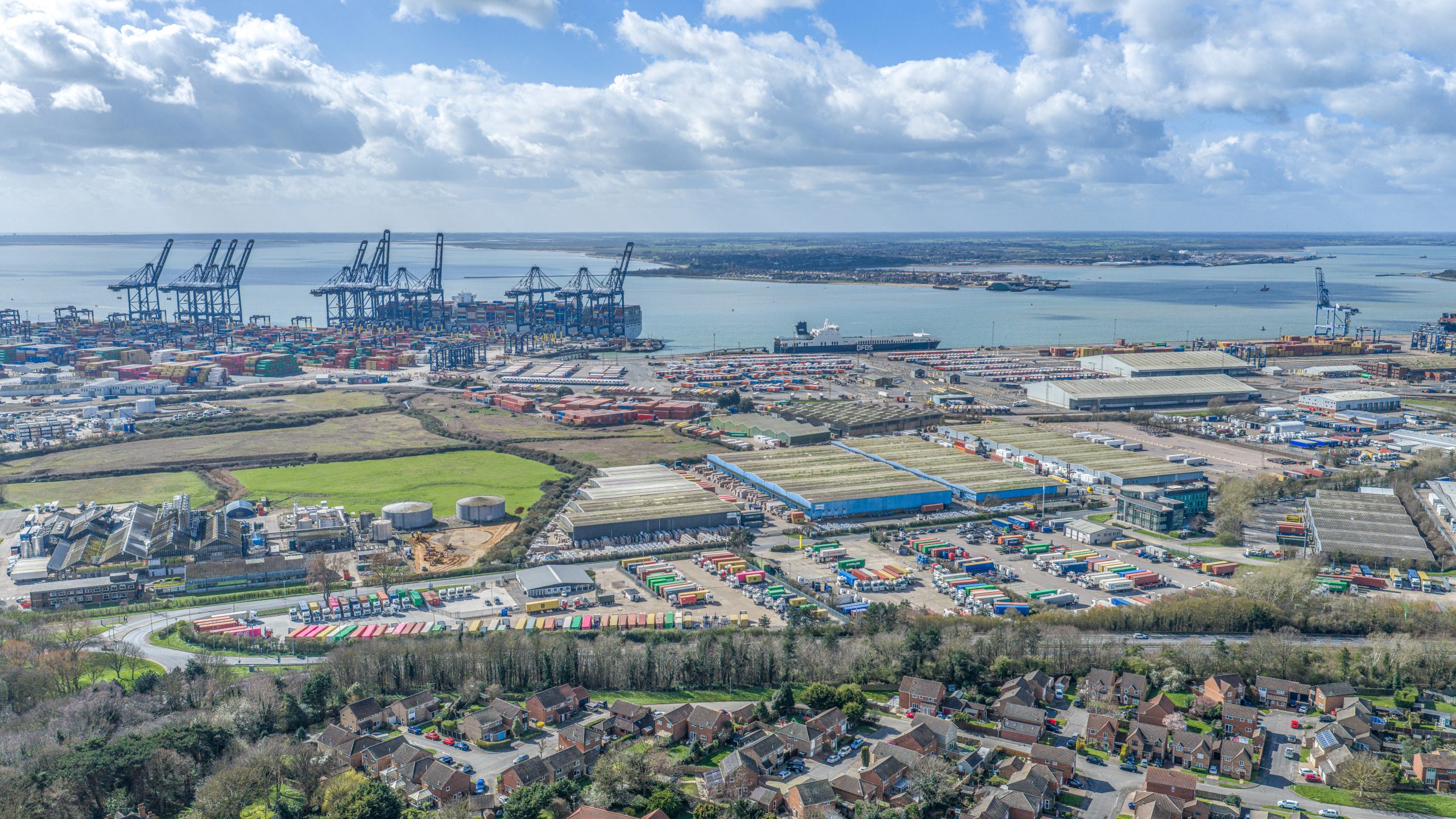
Image by Jeff Welch
